OpenAI DevDay 2026: six lessons for supply chain people
Always-on agents with their own computers, a multiple-choice API and a cheaper near-flagship model. What OpenAI’s biggest DevDay changes for planners, buyers and logistics leads.
Short pieces on using AI in supply chain work: what I tried, what held up and what I would check before trusting it.
Always-on agents with their own computers, a multiple-choice API and a cheaper near-flagship model. What OpenAI’s biggest DevDay changes for planners, buyers and logistics leads.
You keep templates for every report except the prompts you type each week. Ten ready-to-copy prompts for a planner's week, and where to keep them now that GPTs and Gems are being retired.

Most late-delivery reports blame the carrier because that is the first box in the drop-down. An AI model that reads the dates and the notes together tells a different story, and you can test it in ten minutes.

PuLP, OR-Tools, Pyomo, SimPy and a dozen more are free, and AI now writes the code. The hard part is picking the right one, and knowing that the best plan on paper is often the most fragile.

Google's new fast model is not its smartest. For checking every row of a stock sheet against rules you already have, it may be the one to use, and it now sits inside Sheets.

OpenAI cut the price of its flagship and taught it the conventions of spreadsheets and slides. Which parts of an S&OP pack go to Astra, which to Sol, and why the token bill is the wrong reason to choose.
AI made building a tool cheap. Building one people want to open is the part that is left. Six design rules, the libraries that do the heavy lifting, and a prompt to try.
Mistral's new flagship is not top of the leaderboard. It may be the first frontier-sized model you can run under European law, or on your own servers.

In three weeks about 30 AI models appeared that cannot write a sentence. They pick an answer from your list, with a probability. How they differ, and where they fit.
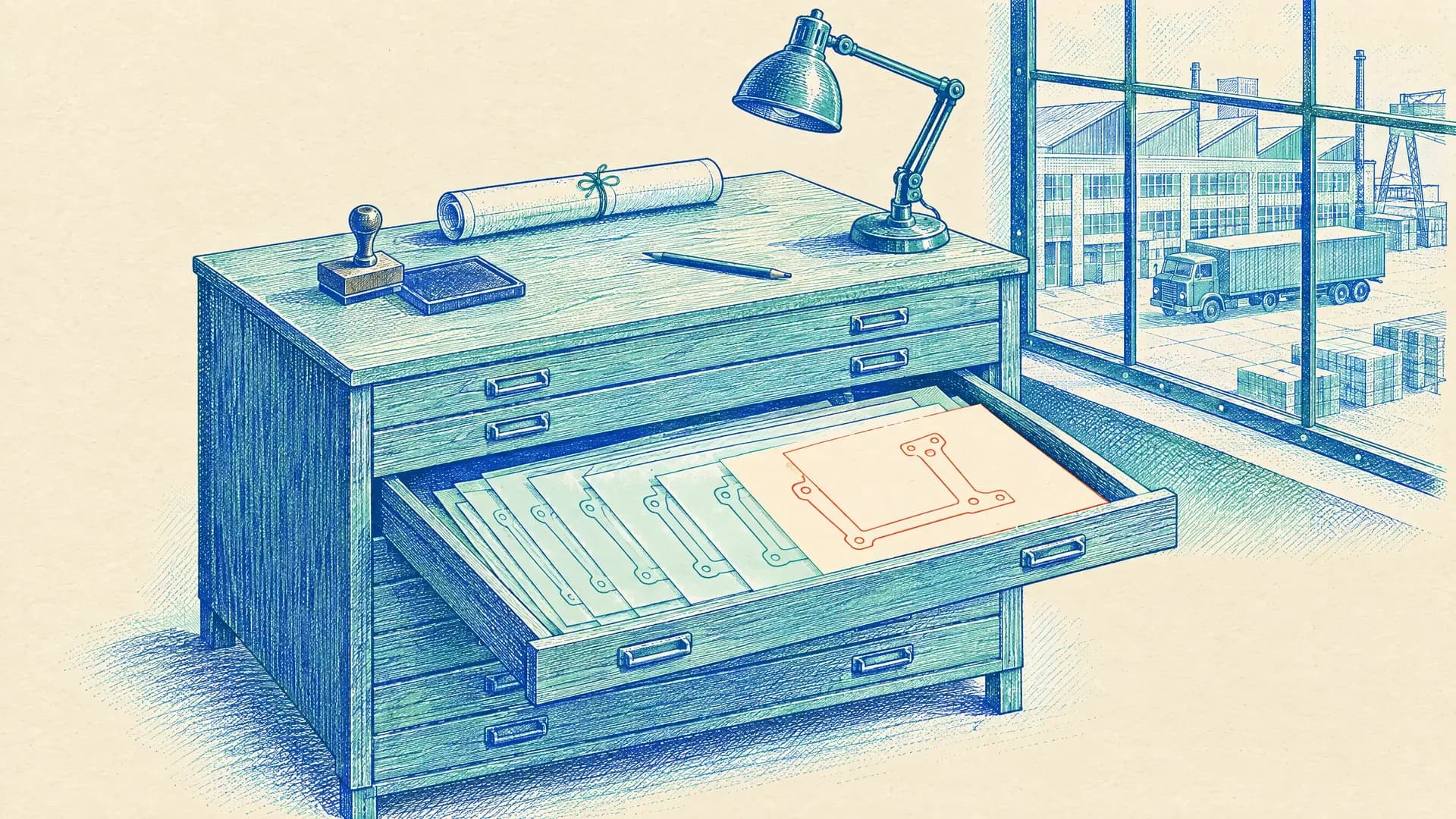
The day an AI writes a script for you, you own code. What GitHub is, how to set it up in twenty minutes, the daily routine, and one worked example at a fictional bicycle maker.

Every network study stands on two numbers per customer: where it is, and how far away. Most studies guess both. Here are the APIs that measure them, what they cost, and a sixth-hub test on Upshift’s dealers that shows why the guess is the expensive part.
Every post, book and tool on this site comes with something to try, on the same fictional bicycle maker. Here’s why, and how you can tell me what to build next.